
A Case for Improving Existing Rail Services Over High-Speed Rail in the Ottawa to Montreal Corridor
- Information
- Feb 8
- 4 min read
The idea of building a brand new high-speed rail (HSR) line between Ottawa and Montreal has captured public attention and government interest for years. Plans like the Alto High-Speed Rail project promise ultra-fast trains reaching speeds of up to 300 km/h, drastically cutting travel times. Yet, these ambitious projects come with massive price tags, technical challenges, and long timelines as well as irreparable damage to the environment, agricultural practices and the communities it bisects along the way.
Instead of rushing into a costly new build, a more modest and practical approach focused on upgrading existing rail infrastructure could deliver faster, more reliable service much sooner and at a fraction of the cost.
This post explores why improving current rail services on the Ottawa to Montreal corridor makes more sense than pursuing a full-scale high-speed rail line. It draws on insights from recent studies and the video “What VIA Should Have Done: A Modest Alternative to HSR on the Ottawa to Montreal Corridor” to highlight a balanced path forward.
Upgrading Existing Infrastructure First
Building new high-speed rail tracks from scratch is expensive and complex. A more sensible approach starts with the rail lines already in place. The Ottawa to Montreal corridor has existing tracks used by VIA Rail and freight operators. By investing in targeted upgrades, the government can improve speeds, reliability, and passenger comfort without the massive cost of new dedicated lines.
Key improvements include:
Modernizing signal systems to allow trains to run closer together safely and at higher speeds.
Enhancing track quality by replacing worn rails and improving track geometry to support faster travel.
Adding strategic bypasses around bottlenecks or congested areas to reduce delays.
Upgrading stations for better passenger experience and accessibility.
Past Canadian studies, such as the ViaFast proposal, focused on these kinds of upgrades. ViaFast aimed to use existing corridors with selective improvements to cut travel times significantly. This approach reduces upfront costs and leverages infrastructure already owned and maintained by VIA Rail and partners.
By improving what exists, trains could reach speeds closer to 160-200 km/h on parts of the route, cutting travel times without the need for brand new tracks designed for 300 km/h speeds. This means passengers get faster trips sooner, and taxpayers avoid the risks of massive cost overruns.
The High Cost and Risks of New High-Speed Rail
The Alto HSR plan envisions building new electrified tracks capable of supporting speeds around 300 km/h. While this sounds impressive, the reality is that such projects are extremely expensive and come with significant uncertainties.
Cost per kilometre estimates for Alto are much higher than comparable European high-speed rail systems. This is partly due to Canada’s geography, lower population density, and the need for extensive new infrastructure.
Total project costs could far exceed earlier studies, pushing the budget into the tens of billions of dollars.
Large infrastructure projects of this scale often face delays, technical challenges, and cost overruns. The complexity of building new tracks through developed areas, environmental concerns, and electrification add layers of risk.
The long timeline means benefits may not materialize for a decade or more, while current rail users continue to experience slow and unreliable service.
By contrast, upgrading existing lines reduces these risks. It builds on proven infrastructure and technology, allowing improvements to happen incrementally. This approach also keeps options open for future enhancements, including partial electrification or dedicated high-speed segments if demand grows.
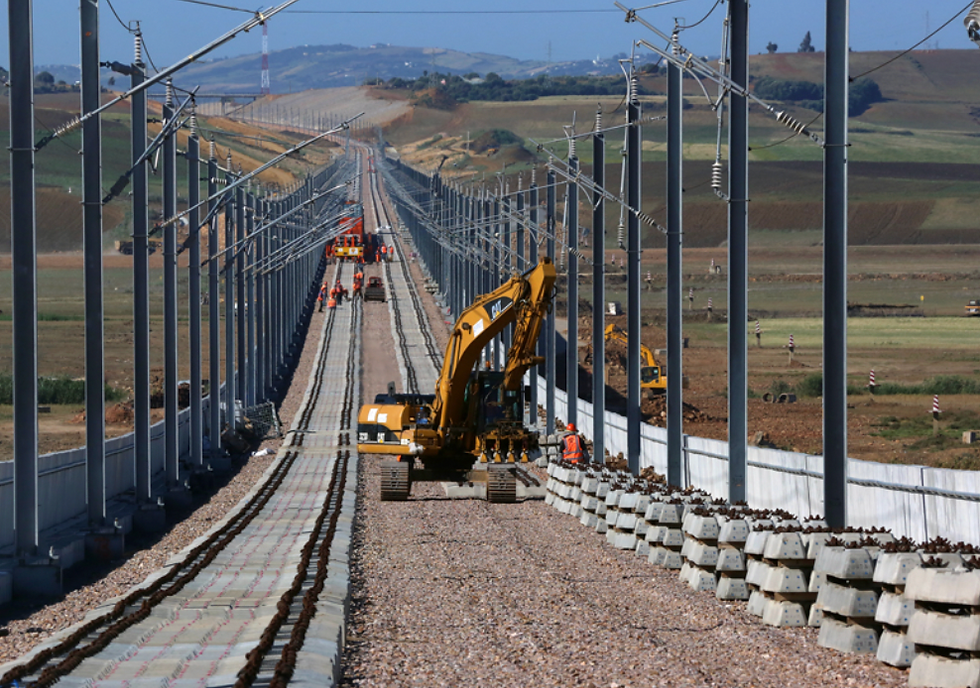
Upgrading existing tracks can improve train speeds and reliability without the massive cost of new high-speed rail lines.
Practical Benefits of a Modest Upgrade Approach
Focusing on improving current rail services offers several practical advantages:
Faster implementation: Upgrades can be planned and executed in phases, delivering benefits within a few years rather than over a decade.
Better value for money: Targeted investments yield significant travel time reductions and service improvements at a fraction of the cost of new high-speed rail.
Increased reliability: Modern signals and track improvements reduce delays caused by congestion and maintenance issues.
Environmental benefits: Enhancing rail service encourages more people to choose trains over cars or planes, reducing emissions without the environmental impact of new construction.
Flexibility: The corridor remains adaptable to future technology and demand changes, including potential electrification or partial high-speed segments.
For example, the Quebec City–Windsor corridor in Canada has seen success with incremental rail upgrades that improved speeds and service quality without building entirely new lines. European countries like Germany and France also use a mix of upgraded conventional lines and dedicated high-speed tracks to balance cost and performance.
What VIA Rail Should Focus On Now
VIA Rail and policymakers should prioritize:
Investing in signal system upgrades such as Positive Train Control or European Train Control System (ETCS) to improve safety and allow higher speeds.
Replacing and maintaining track infrastructure to support faster, smoother rides.
Building bypasses or double-tracking key bottlenecks to reduce delays caused by freight traffic or single-track sections.
Improving station facilities to enhance passenger comfort and accessibility.
Exploring partial electrification where feasible to reduce emissions and improve acceleration.
These steps align with VIA Rail’s mandate to provide efficient, reliable passenger rail service and offer a realistic path to better travel on the Ottawa to Montreal corridor.
Looking Ahead
While the vision of ultra-fast high-speed rail is appealing, the reality is that such projects require enormous investment, long timelines, and carry significant risks. HSR will leave a permanent scar across rural communities, permanently altering rural infrastructure, bisecting farms, and creating an impassible barrier in wildlife corridors, amongst other concerns. A more modest approach focused on upgrading existing rail infrastructure offers a practical, cost-effective way to improve train travel between Ottawa and Montreal.
By prioritizing targeted improvements, VIA Rail can deliver faster, more reliable service sooner, providing real benefits to passengers and taxpayers. This approach also lays a strong foundation for future enhancements, keeping the corridor adaptable to evolving transportation needs.
Investing wisely in what already exists will help build a better rail service for Canadians today and tomorrow.

Comments